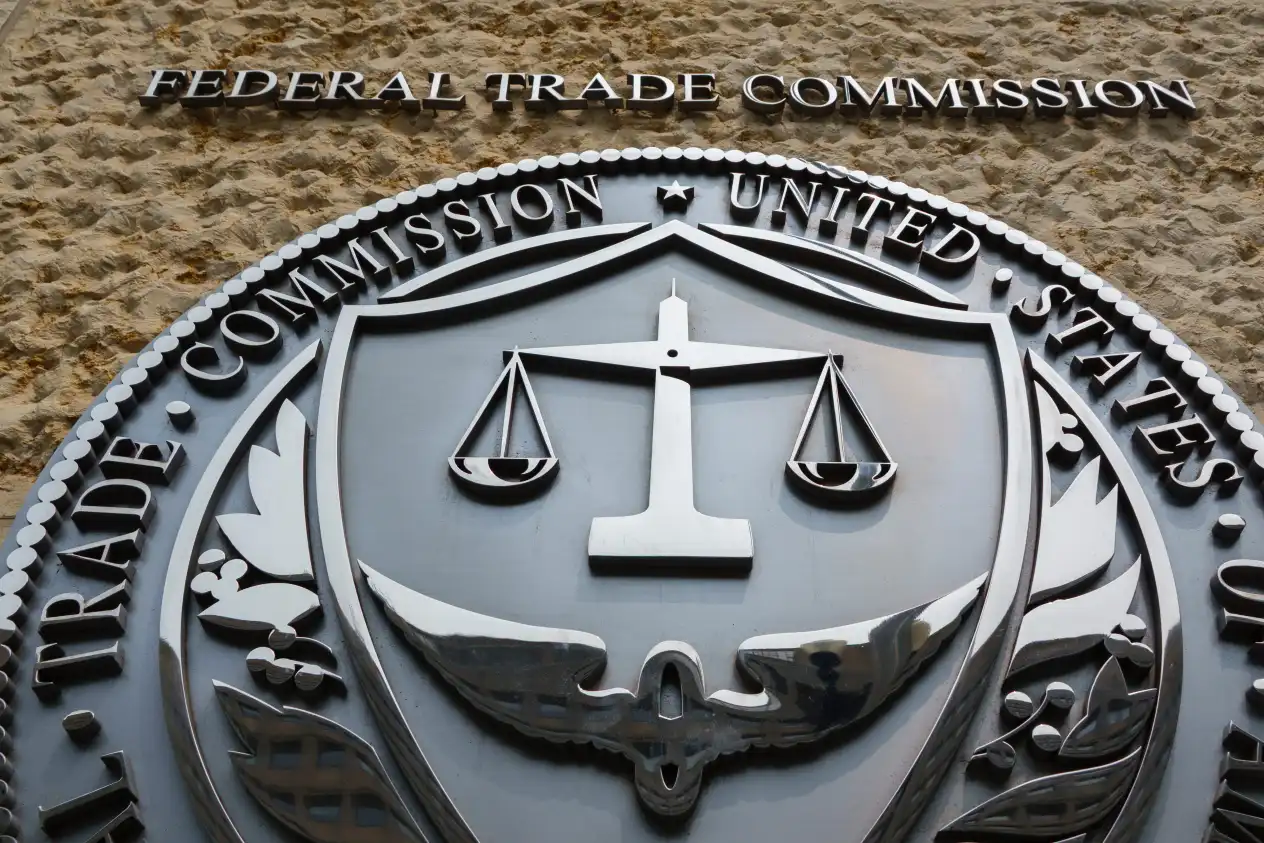
Washington, D.C. — The Federal Trade Commission (FTC) is preparing to launch full enforcement of a major new online safety law targeting nonconsensual deepfake and intimate imagery, introducing strict removal deadlines and significant financial penalties for noncompliant platforms.
Beginning May 19, websites, apps, and digital services will be legally required to remove flagged nonconsensual content within 48 hours of receiving a valid victim request or face regulatory action and civil fines. The move marks one of the most aggressive federal efforts to regulate harmful synthetic media circulating online.
Strict 48-Hour Removal Rule for Harmful Content
Under the new enforcement framework, platforms must act quickly once notified by a victim about the presence of nonconsensual intimate imagery, including both real images and AI-generated “digital forgeries.”
The FTC has clarified that failure to remove content within the 48-hour window could trigger investigations and penalties reaching up to $53,088 per violation. Regulators say repeated violations could significantly increase a company’s financial exposure, especially if the same material appears multiple times across a platform.
FTC Chair Andrew Ferguson confirmed that enforcement will prioritize protecting vulnerable users, particularly minors, from exploitation and abuse involving manipulated media.
Platforms Must Strengthen Reporting Systems
In guidance sent to major technology companies, the FTC outlined expectations for compliance programs. Platforms are required to:
- Provide simple and accessible reporting tools for all users, including those without accounts
- Clearly explain takedown procedures in plain, easy-to-understand language
- Ensure victims can quickly submit removal requests
- Publish transparent policies describing how reports are handled
The rule applies broadly across digital services, including social networks, gaming platforms, image-sharing apps, and communication tools.
Major technology firms receiving FTC guidance include Apple, Alphabet, Amazon, Meta, Microsoft, Snap Inc., TikTok, Reddit, Discord, Pinterest, and X.
New Tools to Track and Block Re-Uploads
Beyond takedown requirements, the FTC is urging companies to adopt advanced detection systems, including hashing technologies designed to prevent re-uploads of previously removed intimate content.
Regulators also recommend that companies share relevant data with organizations such as the National Center for Missing and Exploited Children and StopNCII.org to help identify and track abusive material across platforms.
These measures are intended to reduce the viral spread of harmful content that often reappears after initial removal.
Concerns Over Enforcement Capacity and Free Expression
While civil rights and digital safety advocates have praised clearer reporting mechanisms, some experts warn that enforcement may stretch the FTC’s capabilities.
Becca Branum of the Center for Democracy and Technology noted that regulating online content moderation at this scale is a new challenge for the agency, requiring significant technical infrastructure and staffing.
She cautioned that the high financial penalties could encourage platforms to automatically remove any content that is flagged, even in unclear or disputed cases, to avoid legal risk. Critics say this could lead to over-removal of legitimate speech, similar to concerns previously raised under copyright enforcement systems like the DMCA framework.
Legal analysts also suggest that the steep fines reflect a broader policy shift toward stronger accountability for digital platforms, but may increase pressure on companies to prioritize speed over accuracy in content moderation decisions.
Growing Pressure After High-Profile Deepfake Incidents
The enforcement push comes amid rising concern over the misuse of AI-generated media on social platforms. Earlier this year, reports emerged that X’s AI tool Grok was exploited to generate and distribute nonconsensual deepfake content, prompting legal scrutiny and public backlash.
The incident intensified global debate over how quickly platforms should be required to respond to synthetic media abuse, and whether current moderation systems are sufficient.
What Comes Next
With enforcement now imminent, companies are racing to update reporting systems, improve detection tools, and ensure compliance with FTC expectations. Regulators have signaled that early enforcement actions will likely set the tone for how strictly the law is applied in the coming months.
The FTC says its goal is to create a safer digital environment while holding platforms accountable for enabling the spread of nonconsensual synthetic and intimate content.