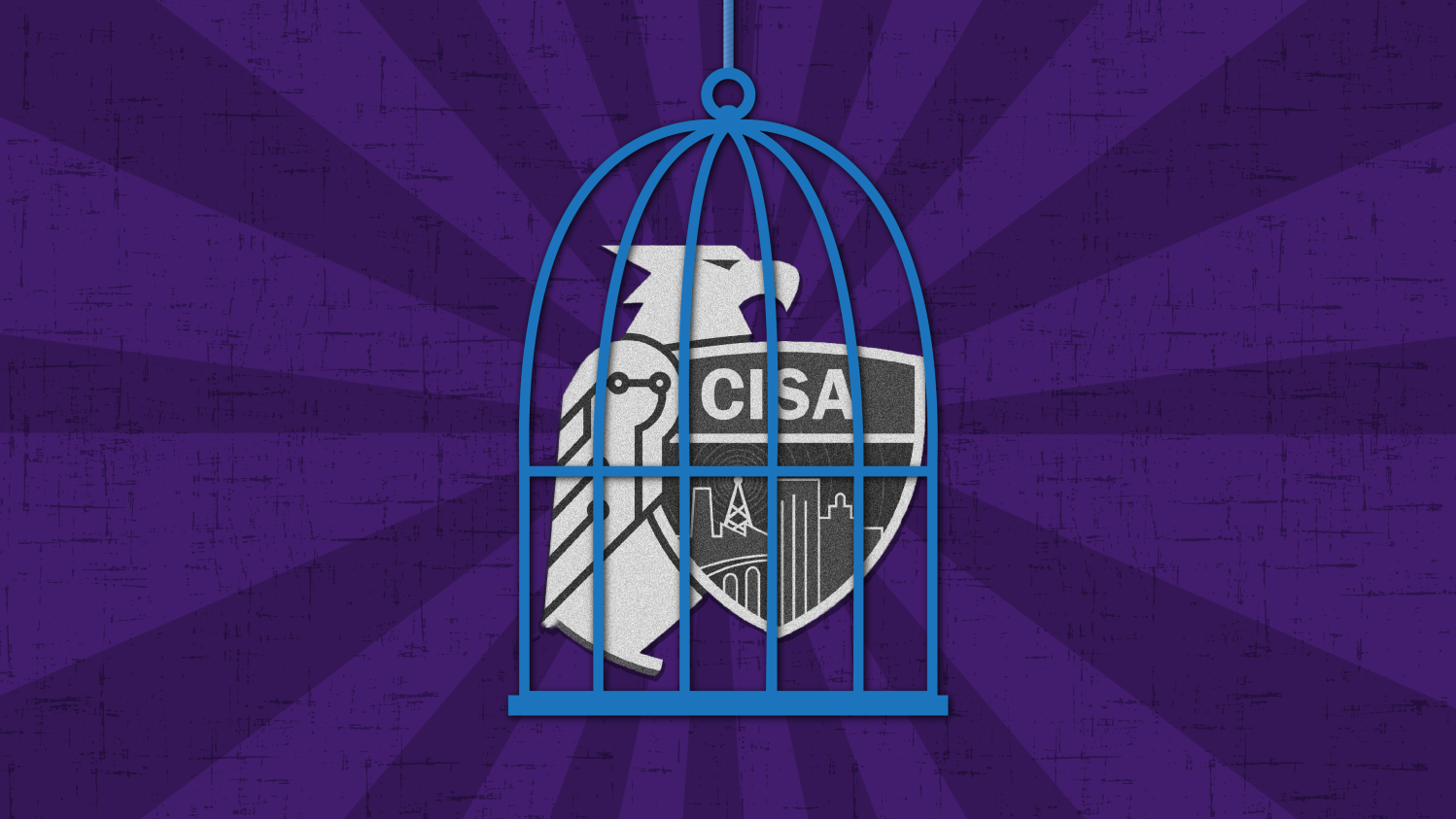
Washington, D.C. — The United States’ primary civilian cybersecurity agency, the Cybersecurity and Infrastructure Security Agency (CISA), is facing mounting criticism from lawmakers, former officials, and industry leaders who say the organization has been significantly weakened by staffing losses, leadership instability, and shifting federal priorities.
According to multiple sources across the political spectrum, the agency has lost roughly one-third of its workforce over the past year, raising concerns about its ability to respond to large-scale cyber incidents affecting critical infrastructure.
Widespread Concern Over Declining Capacity
Current and former officials describe a significant reduction in CISA’s operational capacity, particularly in areas such as incident response coordination, threat intelligence sharing, and partnerships with state, local, and private-sector organizations.
Lawmakers from both parties have voiced concern that the agency is now less prepared to handle major cyber crises. House Homeland Security Committee Chairman Andrew Garbarino, a Republican from New York, acknowledged that the loss of experienced personnel has left the agency struggling to maintain its core mission.
On the Democratic side, ranking member Bennie Thompson warned that reduced staffing and budget constraints have directly weakened national cybersecurity readiness.
Workforce Losses and Program Cuts
CISA has reportedly undergone significant internal restructuring, including the elimination or scaling back of several programs tied to election security, international cooperation, and critical infrastructure protection.
Former employees and industry partners say entire teams have been reassigned or dissolved within the Department of Homeland Security, while key initiatives focused on information sharing and threat coordination have been reduced or allowed to lapse.
Observers also note the closure or defunding of collaborative structures designed to connect federal, state, and private-sector cybersecurity efforts, including long-standing advisory and information-sharing programs.
Leadership Vacuum and Political Tensions
A central concern highlighted by experts is the absence of a Senate-confirmed director. The nomination of Sean Plankey remains pending, leaving the agency under acting leadership during a period of major restructuring and external pressure.
Acting leadership under Madhu Gottumukkala has faced bipartisan scrutiny, with critics questioning internal decision-making and organizational stability. Some lawmakers have also requested clearer explanations for internal restructuring efforts, citing a lack of transparency.
The leadership gap, analysts say, has contributed to uncertainty within the agency and weakened its ability to coordinate effectively with external partners.
Strained Relationships With Industry and States
Industry representatives and former officials report that engagement between CISA and external stakeholders has diminished significantly. Organizations that previously relied on direct coordination with the agency for cyber incident support and vulnerability response are increasingly turning to private-sector alliances or independent consultants.
State and local governments, which depend on federal coordination during cyber incidents, have also reported reduced communication and fewer collaborative initiatives.
Experts warn that this breakdown in coordination could prove critical during a major national cyber emergency, when rapid information sharing and centralized response are essential.
Debate Over Mission and Strategic Direction
While critics point to declining capacity, some officials argue that CISA is undergoing necessary restructuring to better align with its core mission of protecting federal networks and critical infrastructure.
Supporters of the changes say the agency had expanded too broadly in previous years and needed to refocus on its statutory responsibilities. However, critics argue that the scope and scale of recent reductions have gone too far, weakening essential cybersecurity functions.
Cybersecurity analysts note that the agency’s traditional strength has been its role as a national coordination hub, bringing together government and private-sector partners during major incidents.
Concerns About National Cyber Readiness
Experts warn that diminished staffing and coordination capacity could have serious consequences during large-scale cyberattacks, particularly those targeting critical infrastructure sectors such as energy, healthcare, and communications.
Former officials say the agency’s ability to respond to high-impact incidents—similar to past national crises—may now be significantly constrained.
Industry leaders emphasize that the private sector may need to take on a larger role in cybersecurity defense if federal coordination capabilities continue to decline.
Outlook: Uncertainty Over Recovery and Reform
Despite concerns, some analysts remain cautiously optimistic that CISA could recover if leadership vacancies are filled and staffing levels stabilize. Many agree that restoring full operational capacity will require sustained investment in technical talent and clearer strategic direction from Congress and the administration.
However, rebuilding workforce expertise and trust with external partners is expected to take time, particularly after a period marked by organizational disruption and political scrutiny.
For now, stakeholders across government and industry continue to watch closely, warning that the agency’s future effectiveness may depend on swift leadership decisions and renewed commitment to its core cybersecurity mission.